The Maasai of Tanzania and Kenya: Culture, Traditions, and What to Expect

When you picture East Africa, chances are the Maasai come to mind. They’re one of the region’s most famous indigenous tribes, instantly recognizable by their vibrant red shúkà (robes) and beautiful beadwork. But beyond the striking looks, the Maasai carry a culture that is as rich and layered as the landscapes they call home.

Life revolving around cattle
For the Maasai, cattle are everything. They symbolize wealth, sustenance, and tradition all at once. A man’s prosperity is often measured by the number of cows he owns, and cattle play a role in nearly every ceremony or milestone. They’re not just food or livelihood, but the very heartbeat of Maasai society.
Warriors and traditions
Becoming a Maasai warrior, or Moran, is a milestone in life. Young men undergo ceremonies that test courage, strength, and readiness to take on responsibility. The transition is as much about protecting the community as it is about preserving cultural traditions, and it remains a proud chapter in every warrior’s story.

The role of women
While warriors are celebrated, it’s the women who quietly carry much of the daily load. Maasai women build the homes, raise the children, manage households, and keep traditions alive through storytelling and beadwork. Their role is central, ensuring the community thrives and its culture endures.
Living in harmony with nature
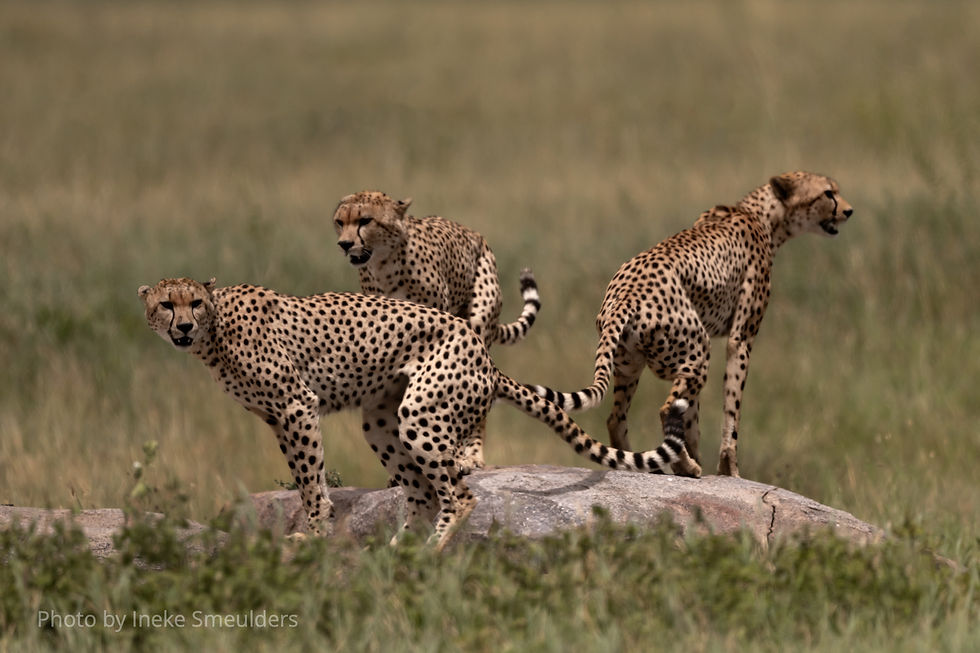
Despite modern pressures, many Maasai continue to live traditionally. Their villages are often nestled close to wildlife-rich landscapes, and they share the land with elephants, lions, and wildebeest. This coexistence is a reminder of the deep connection they maintain with the natural world.
Passing down traditions
The Maasai use an age-set system that organizes society into groups based on life stage. Each group shares responsibilities — from herding cattle to leading ceremonies — ensuring that traditions are passed down and that the community moves forward together.

Visiting the Maasai in Tanzania: a genuine exchange
Now let’s talk about connecting with the Maasai in Tanzania or Kenya. Many safari itineraries offer a quick “cultural stop” to see the Maasai. But what we do is very different. Instead of visiting a touristy village where dances are performed for visitors, we take you to a remote Maasai community where almost no outsiders pass. Here, there are no staged shows — just an open invitation into their daily lives.
When you arrive, you’re welcomed not as a spectator, but as a guest. Whatever the community is doing that day — be it herding cattle, preparing food, repairing homes, or making beadwork — they invite you to join in. You’ll learn by participating, not just by watching.
And it’s an exchange. While the Maasai offer their time and hospitality, we bring something practical in return: solar lights. Traditional Maasai homes are built to keep out heat and predators, which makes them quite dark inside. With a solar light, cooking becomes easier and safer, and children can study after sunset. It’s a small gesture that makes a real difference, and it ensures your visit leaves something meaningful behind.
Spending time in a village like this gives you a deeper understanding of Maasai life, far beyond what most travelers ever experience.
Curious to meet the Maasai up close?
Our guides know the region intimately, and they’ll help you connect with the Maasai in a way that’s authentic, respectful, and memorable. Honestly, they often become part of the experience itself — guiding, sharing stories, laughing with you, and making the whole trip feel effortless and personal.
If you’re dreaming of a safari that blends wildlife and culture, reach out. We’d love to help you craft a journey where you can truly connect with Tanzania — its people, its wildlife and its breathtaking landscapes.