


When to visit Tanzania: Weather, Wildlife & Safari Seasons Explained

If you’ve started looking into a safari in Tanzania, you’ve probably already asked yourself that golden question: When should I visit? The short answer is—there’s no bad time. Tanzania is one of those rare destinations where every month has its magic. The long answer? Well, it depends on what you’d love to see and do most.
Let’s walk through the seasons together, so you can find the time that feels perfect for you.
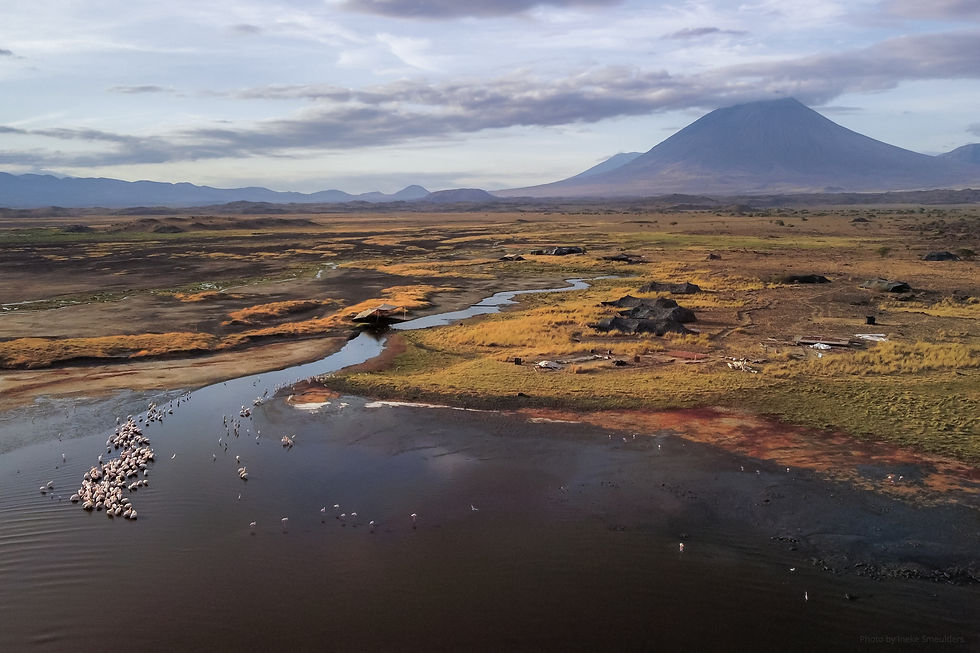
Tanzania’s climate: what you need to know
Before we dive into the seasons, let’s talk about Tanzania’s climate—it’s not quite what most people expect. Because of the country’s size and varied landscapes, the weather can differ from place to place. But in general, Tanzania has a tropical climate with two main rainy periods:
The “long rains” (April–May): These are heavier downpours, often lasting for hours or even days at a time. It’s what turns the Serengeti into a lush green paradise, but it can make the roads muddy and more challenging to drive on.
The “short rains” (November–December): These are lighter and usually come as brief afternoon showers. They freshen up the plains without disrupting travel too much.
The rest of the year is largely dry, which makes for excellent wildlife viewing as animals gather around water sources. Temperatures stay warm year-round, but altitude plays a role—on the Serengeti plains you’ll feel the sun, while in the Ngorongoro Highlands you might need a sweater in the evenings.
So don’t think of Tanzania as having a “summer” or “winter.” Instead, think in terms of wet or dry, lush or golden, busy or quiet.

Tanzania’s seasons: let’s break it down
January – March: calving season in the Serengeti
If witnessing the miracle of life in the wild makes your heart skip a beat, this is the time for you. From late January into February, the wildebeest gather in the southern Serengeti and Ndutu area for calving season. Imagine thousands of babies being born each day—gangly legs wobbling, mothers fiercely protective, and predators never far away. It’s dramatic, emotional, and unforgettable.
The weather is generally warm, with occasional showers that keep the plains lush and green—perfect for photography.
April – May: green season and quieter parks
This is the long rainy season, and yes, it rains—but don’t dismiss it too quickly. The landscape transforms into a lush, green paradise with dramatic skies that photographers dream of. The herds start moving towards the central Serengeti, eventually reaching the Grumeti River.
The best part? There are far fewer tourists. You might find yourself watching a huge lion pride with no other vehicles in sight. If you don’t mind a bit of rain and you’re after solitude (and value for money), April and May are a gem.
June – July: the drama of the river crossings begins
As the rains ease, the migration pauses near the Grumeti River. This is when things start to get exciting—the start of the river crossings, first in the Grumeti River and later on in the famous Mara River. Picture thousands of wildebeest gathering on the riverbank, the tension building, until finally, one brave animal makes the leap and the rest follow in a thundering stampede. Crocodiles lurk in the waters, and the drama is raw, real, and heart-pounding.
The weather is cooler and drier, making it a very popular time. Camps and lodges fill up fast, so book early if this is the spectacle you want to see.

August – October: Northern Serengeti at its best
By now, the herds are in the northern Serengeti and spilling over into Kenya’s Maasai Mara. This is the highlight of the Great Migration drama, with multiple crossings and intense predator action visible from both countries. The landscapes are golden and dry, animals gather around the remaining waterholes, and game viewing is absolutely phenomenal.
It’s also peak tourist season, so don’t expect to have it all to yourself. But here’s the thing: our guides know the migration routes like the back of their hands, and we plan your lodges and routes carefully. Even when it’s busy, you’ll still get those goosebump moments of feeling completely immersed in the wild.
November – December: the short rains and fresh beginnings
Short rains arrive, but they’re usually brief showers in the afternoon rather than day-long downpours. The plains turn green again, the air is fresh, and wildlife is still abundant. This is a wonderful time if you love fewer crowds but still want good game viewing. The wildebeest make their way back south, preparing for the next calving season.
And December? It’s a magical way to end the year—imagine toasting to the new year under the Serengeti stars.
Month-by-month quick guide to Tanzania
If you’re the type who loves a simple snapshot, here’s your cheat sheet for Tanzania’s seasons:
Month | Weather & season | Wildlife highlights | Crowds & vibe |
January – February | Warm, green plains | Calving season in Ndutu: thousands of wildebeest babies, predators everywhere | Moderate crowds, photographers’ paradise |
March | Warm, still green | Herds start moving central, predator action continues | Quieter, transitional month |
April – May | Long rains, lush green landscapes | Wildlife is still fantastic, moody skies perfect for photography | Very quiet, fewer tourists |
June | Dry season begins, cooler | Herds in central & western Serengeti, Grumeti River crossings | Picking up, but not too crowded yet |
July – August | Dry, clear skies | Peak drama at Mara River crossings in the north | Very busy—plan ahead! |
September – October | Dry, golden plains | Crossings continue, predators active, fantastic overall | High season, but worth it |
November | Short rains, refreshing showers | Herds moving south again, wildlife viewing still excellent | Quieter, more relaxed vibe |
December | Green season returns | Fresh landscapes, plenty of wildlife, festive safaris | Moderate crowds, special holiday feel |

So, when should you visit Tanzania?
That depends on you. Want the drama of river crossings? Aim for July to September. Dreaming of baby wildebeest and predator action? Late January to February is your season. Looking for solitude and stunning green landscapes? April and May could surprise you.
And here’s a little insider tip: no matter when you choose to visit Tanzania, Tanzania will deliver. The wildlife doesn’t take a holiday, the landscapes never stop being beautiful, and each season has its own rhythm and rewards.
Ready for the adventure of a lifetime?
At ReWild Away, we love helping you find the moment that feels right for you. Sometimes that’s peak action, sometimes it’s stillness and space—but it’s always unforgettable.
If you’re curious to explore what time of year might fit your dream safari best, just reach out. We’d be more than happy to think it through with you.

